


Garboli metal tube processing machines cover external surface treatment, drilling and end preparation through dedicated configurations. Grinding removes material, satin finishing develops a texture, and polishing creates a brighter appearance. Drilling makes specified holes; deburring and notching treat the ends for different purposes. Tube section, straight or bent geometry, dimensions and production cycle determine the suitable machine family.
All the Machines that work with tubes
TAPER TUBES BUNDLE

LT-HYBRID
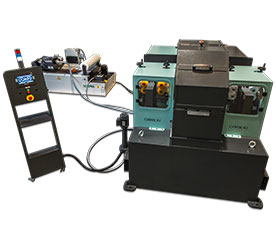 LT-HYBRID
 S/2
 LT-HYBRID S/2
LT 200 S HB
 LT 200 S HB
LT 200S HB WET
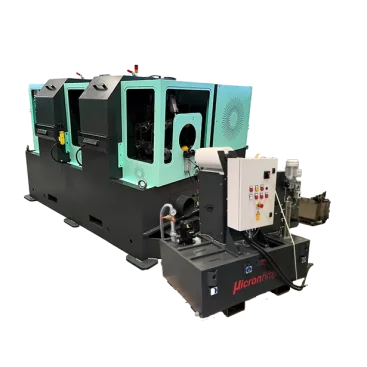 LT 200S HB WET
LT TITAN
 LT TITAN
LPC 300 S
 LPC 300 S
LPC 90-135
 Grinding machines
LPC 90-135
Orbital belt grinding machine
LPC 160
 Grinding machines
LPC 160
Orbital polishing machine
LPC 160 Wet
 Grinding machines
LPC 160 Wet
Orbital belt grinding machine
LPC 160 Mirror
 Mirror polishing machines
LPC 160 Mirror
Orbital belt buffing machine
LPC 160/S
 Grinding machines
LPC 160/S
Double head polishing unit
LPC 300
 Grinding machines
LPC 300
Orbital abrasive belts polishing machine
LPC 300Wet
 Grinding machines
LPC 300Wet
Abrasive belt grinding machine
LPC 300 Mirror
 Mirror polishing machines
LPC 300 Mirror
Orbital polisher
LPC 300/S
 Grinding machines
LPC 300/S
Double head polishing machine
LPC 500
 Grinding machines
LPC 500
Orbital pipe polisher with abrasive belts
LPC 500 Wet
 Grinding machines
LPC 500 Wet
Orbital abrasive belts finishing machine
LPC 500 Mirror
 Mirror polishing machines
LPC 500 Mirror
Orbital polisher
LT 130
 Grinding machines
LT 130
Abrasive belts orbital grinding machine
LT 130 WET
 Grinding machines
LT 130 WET
Orbital abrasive belt polishing machine
LT 130 Mirror
 Mirror polishing machines
LT 130 Mirror
Mirror polishing machine for straight tubes
LT 200
 Grinding machines
LT 200
Abrasive belts grinding machine
LT 200 WET
 Grinding machines
LT 200 WET
Orbital abrasive belt polishing machine
LT 200 Mirror
 Mirror polishing machines
LT 200 Mirror
Planetary tube buffing machine
LT 130 S
 Grinding machines
LT 130 S
Orbital grinding line with planetary polishing machine
LT 130 S-WET
 LT 130 S-WET
LT 200/S
 Grinding machines
LT 200/S
Orbital grinding line
LT 200 S-WET
 LT 200 S-WET
ROTOR 200 WET
 ROTOR 200 WET
FORUS CN
 Drilling machines
FORUS CN
Tube drilling machine
LE
 Grinding machines
LE
Belt finishing machine
APM LOADER
 Grinding machines
APM LOADER
Front feed and holding table
APN LOADER
Grinding machines
APN LOADER
Front APN feed system
Bundle Loader

LOADER

UNLOADER
Surface treatment for different tube geometries
Grinding removes machining marks and establishes a regular surface before a specified finish. Satin finishing develops a controlled texture; polishing uses successive abrasive or buffing stages for a brighter result. Orbital and planetary systems work around tubular sections, while dedicated arrangements maintain contact along bends. The machines for straight round and oval tubes or bars address that particular geometry; bent-tube machines cover curved components.
Garboli offers configurations for repeated tube processing as well as systems arranged within a larger production flow. Abrasive units, feeding and workpiece support serve different surface targets without making grinding, satin finishing and mirror polishing interchangeable. The broader family of metal finishing machines explains these surface operations across other workpieces.
Holes and tube-end operations
Tube production may also require controlled hole placement or treatment of a cut end. Drilling machines create specified holes in the tube wall, while deburring machines address residual burrs. Notching forms a joint profile at an end or another defined point; it is a different operation from burr removal. Each process uses its own machine configuration and has a distinct role in the finished component.
For information on the Garboli machines suited to your tube geometry and required surface or end result, contact the Garboli team.
Frequently asked questions
Dedicated configurations cover grinding, satin finishing, polishing, drilling, deburring and notching. The tube geometry and required operation determine machine selection.
No. Deburring removes burrs left by cutting or machining. Notching shapes a mating profile for a joint or assembly.
Specify material, dimensions, section, straight or bent geometry, required surface or end result, and the intended production cycle.

