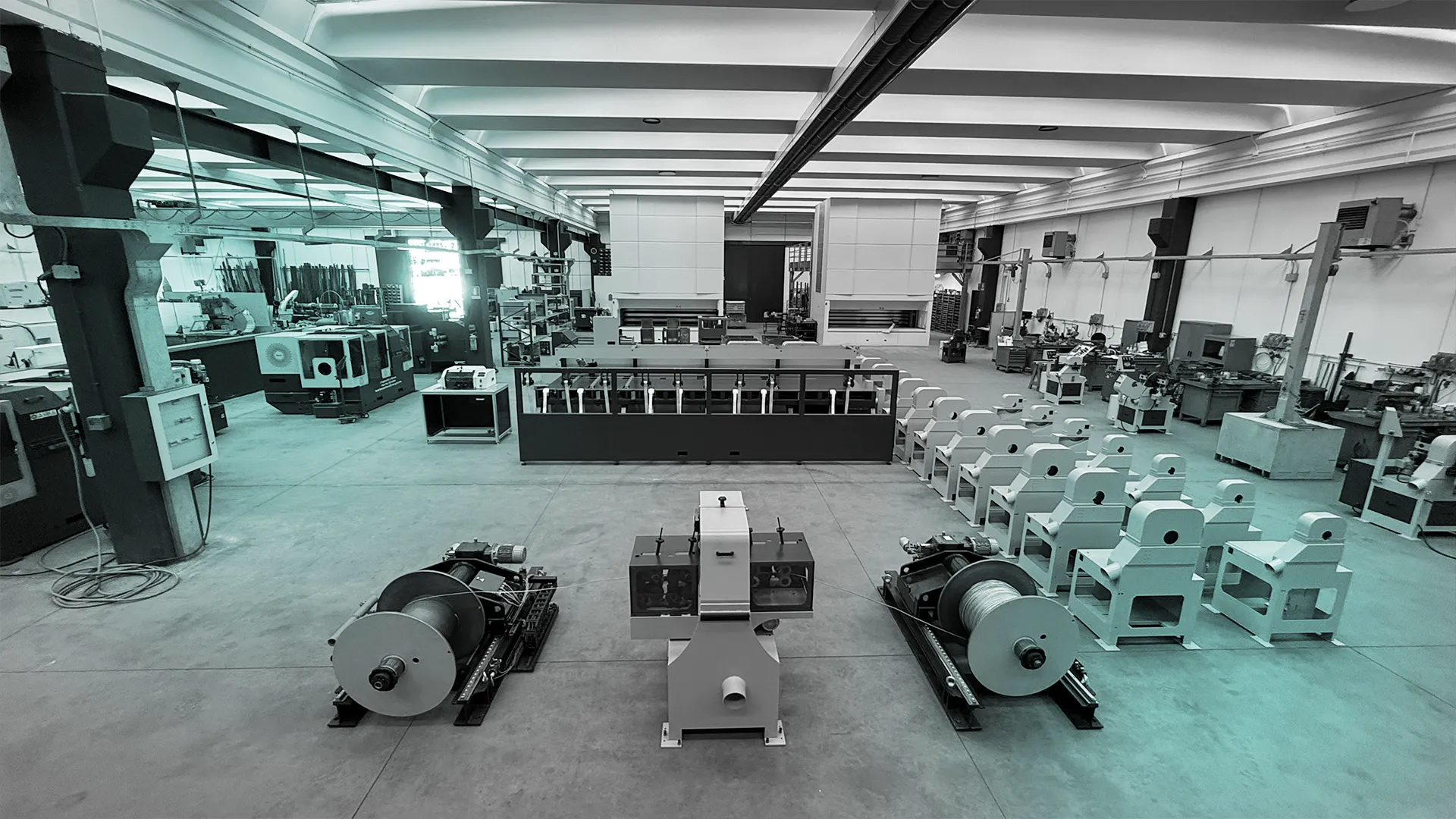
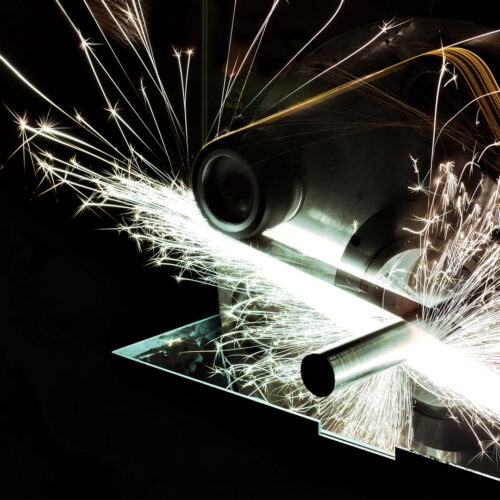
Deburring machines
Garboli Range deburring machines remove burrs from sheet-metal edges and tube or profile ends. Dedicated brush arrangements serve these different geometries. Selected flat-workpiece configurations also provide edge and adjacent-surface treatment, while end-deburring machines act on the cut perimeter. The required edge condition and incoming burr determine the suitable configuration.
GPS Orbital
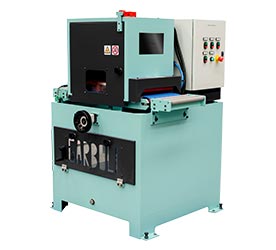 Deburring machines
GPS Orbital
“Wet” orbital deburring machine
ROTOR 200 WET
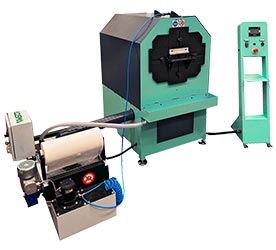 ROTOR 200 WET
Flat components and tubular ends
Sheet metal and flat parts present their edges to the working brush differently from a tube. For flat workpieces, the Range includes an orbital system that combines burr removal with edge treatment and surface finishing. For tube ends, a separate rotary-orbital brushing arrangement follows the section of the component. These are distinct working methods within the same deburring family, selected for the element and the edge to be treated.
The flat surface and metal sheet machines address the first application; the Range machines for extremities connect deburring with tube-end work. The complete Garboli portfolio of metal deburring machines also includes other configurations.
Controlled treatment in repeated production
The available configurations combine brush contact and workpiece movement for the shape of the component. Stable handling helps make edge treatment repeatable, while the machine construction supports reliable industrial use. Deburring can follow cutting, punching or another operation that leaves a burr; the subsequent surface process depends on the finished part. For more information about deburring machines for your workpieces, contact the Garboli team.
Frequently asked questions
They use different workpiece contact and handling arrangements. The cut perimeter of a tube and the contours of a flat part require suitable brush systems.
Brush contact removes residual burrs from the cut perimeter. Selected configurations treat the inner and outer edges; the required edge condition determines the tooling and setup.
Selected flat-workpiece arrangements combine brush treatment of cut edges with treatment of the adjacent surface. The specified edge and face result determines the working stages.