


Finishing Machines
Garboli Performance finishing systems develop specified surface results on tubes, bars and wire in larger, continuous industrial processes. Abrasive preparation, satin finishing and polishing have different roles and use suitable tools and configurations. Working units can be connected with feed, handling and adjacent equipment. Selection starts with the required appearance and incoming surface, then considers how to maintain that result within the production flow.
LT-HYBRID
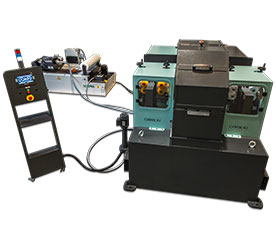 LT-HYBRID
 S/2
 LT-HYBRID S/2
LT 200 S HB
 LT 200 S HB
LT 200S HB WET
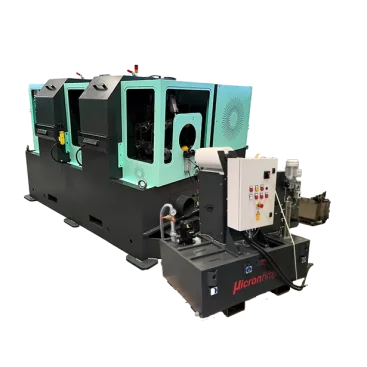 LT 200S HB WET
LT TITAN
 LT TITAN
LPC 300 S
 LPC 300 S
LLW – Line for wire
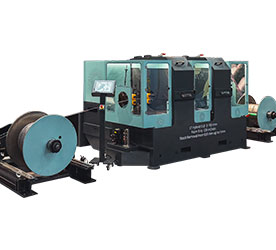
Surface quality along the production route
Tube, bar and wire finishing each require stable, repeatable contact with the abrasive. Performance includes dedicated arrangements for these geometries. The working units operate with feed and support systems, helping maintain the specified surface condition along successive lengths or production batches. Different treatment stages cover different incoming surfaces and final finishes.
The applications for tubes and wire show the distinct paths within the Performance line. Across the full portfolio, Garboli metal finishing machines also cover configurations for dedicated fabrication tasks and other component geometries. Garboli Range finishing machines develop that line’s corresponding surface-treatment applications.
Connected grinding and finishing stages
Grinding can establish the surface before satin finishing or polishing. Performance systems coordinate these operations where the production cycle calls for more than one treatment stage. Controlled feed and abrasive contact help preserve the required result as work continues. The related Performance grinding machines focus on the abrasive removal and preparation stages; finishing develops the specified final texture.
For more information about Performance finishing systems and the surface results available for your production, contact the Garboli team.
Frequently asked questions
Performance systems coordinate the relevant abrasive stages with controlled feed and stable workpiece support. The sequence is set for the specified surface result and production flow.
Performance is generally oriented towards larger, continuous industrial processes and integration with other stages. Required output, handling and surface result determine suitability.
Not automatically. Each form has different support, feed and abrasive-contact requirements. A system must be configured for the actual workpiece.

